Abstract Texture: Elevating Visual Communication Through Non-Representational Design
In the vast landscape of digital and physical design, few elements possess the transformative power of abstract texture. Unlike photographic imagery or literal illustrations, abstract texture operates on a subconscious level, influencing mood, guiding attention, and adding depth without demanding specific cognitive interpretation. For creators, business owners, and professionals seeking to refine their visual identity, understanding this non-representational element is not merely an artistic exercise; it is a strategic necessity. This guide explores the practical applications, psychological impacts, and implementation strategies of abstract texture across various mediums.
Defining the Intangible: What Abstract Texture Actually Is
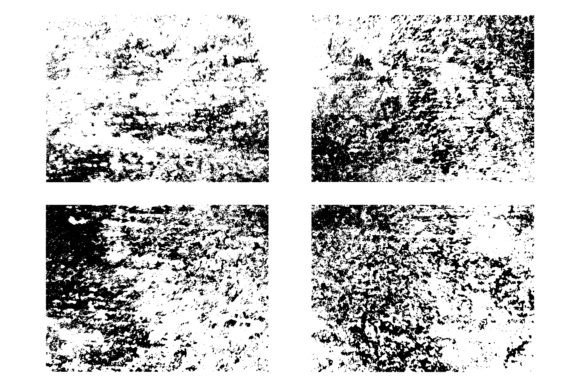
To utilize abstract texture effectively, one must first distinguish it from standard patterning. While a pattern repeats predictably, abstract texture is often organic, irregular, and evocative rather than descriptive. It mimics the feel of a surface—roughness, fluidity, grain, or luminosity—without depicting a recognizable object. It is the visual equivalent of white noise or ambient music; it fills space with meaning without dictating a specific narrative.
In professional contexts, abstract texture serves as a bridge between minimalism and complexity. A completely flat design can feel sterile or unfinished, while a highly detailed illustration can distract from core messaging. Abstract texture occupies the vital middle ground, providing:
- Visual Tactility: Creating a sense of touch on smooth screens or printed paper.
- Hierarchical Guidance: Using density and contrast to subtly direct the viewer’s eye toward key information.
- Emotional Resonance: Establishing tone (e.g., corporate stability vs. creative innovation) through color and form alone.
- Brand Differentiation: Offering a unique aesthetic signature that competitors cannot easily replicate with stock photography.
The Psychology of Surface: Why Texture Matters in User Experience
The human brain is wired to interpret texture as environmental data. Long before we developed language, we relied on tactile feedback to assess safety, quality, and utility. In modern digital interfaces and marketing materials, abstract texture hacks this evolutionary trait. When a user encounters a subtle grain overlay on a website background, they perceive warmth and craftsmanship. Conversely, sleek, glass-like gradients suggest modernity and technological precision.
Cognitive Load and Visual Rest
One of the most underappreciated functions of abstract texture is its role in managing cognitive load. In content-heavy environments like educational platforms or financial dashboards, solid blocks of color can cause eye strain and visual fatigue. Properly calibrated abstract texture breaks up these monotone areas, providing "visual rest" points that keep users engaged longer. However, this requires a delicate balance; the texture must be present enough to add interest but subdued enough to remain peripheral to the primary content.
Practical Applications Across Industries
The versatility of abstract texture makes it applicable to nearly every sector, though the execution varies significantly based on audience and objective. Below are real-world scenarios demonstrating how different professionals leverage this design element.
Digital Product Design and UI/UX
In interface design, abstract texture has seen a resurgence following years of extreme flat design. Modern UI utilizes noise textures, mesh gradients, and blurred orbs to create depth layers. This helps establish a spatial hierarchy where interactive elements appear to float above textured backgrounds. For app developers, this isn't just aesthetic; it improves usability by clearly separating navigation zones from content areas without relying on harsh border lines.
Corporate Branding and Print Collateral
For business owners, abstract texture in branding signals sophistication. Consider a law firm using a subtle linen-textured paper for business cards versus a tech startup using holographic foil stamping. Both are abstract textures, but they communicate vastly different brand values. In annual reports and white papers, textured backgrounds can make dense data visualization more palatable, turning dry statistics into an engaging visual experience.
Environmental and Interior Design
Beyond screens and paper, abstract texture defines physical spaces. Acoustic panels with geometric relief patterns serve dual purposes: sound dampening and visual interest. Retail environments use textured wall treatments to create immersive brand experiences that photography cannot capture. Here, the texture is functional architecture, proving that abstract design principles extend far beyond graphic arts.
Evaluating Suitability: When to Use (and When to Avoid) Abstract Texture
Despite its benefits, abstract texture is not a universal solution. Professionals must evaluate their specific constraints before implementation. The decision should be driven by function, not trend.
- Assess Accessibility Requirements: High-contrast textures can interfere with text readability. Always test textured backgrounds against WCAG guidelines to ensure inclusivity for visually impaired users.
- Consider Reproduction Limitations: Subtle gradients and noise may look stunning on a retina display but can band or pixelate in low-quality print or compressed web formats. Always preview assets in their final output medium.
- Evaluate Brand Voice Alignment: Does the texture support the message? A chaotic, grunge-style texture undermines a healthcare provider’s promise of sterility and care, regardless of how artistically compelling it is.
- Analyze Performance Impact: In web development, complex texture files can slow load times. Optimize aggressively or use CSS-generated textures to maintain site speed without sacrificing aesthetics.
Sourcing and Creating: Practical Guidance for Creators
Acquiring the right abstract texture involves choosing between creation, customization, and licensing. Each path offers distinct advantages depending on budget, timeline, and exclusivity needs.
Generative and Procedural Methods
For designers requiring unique, scalable assets, procedural generation tools offer immense value. Software like Blender, Substance Designer, or even code-based generative art platforms allow creators to build textures from mathematical parameters. This ensures infinite resolution and complete originality. For businesses, this means owning a proprietary visual asset that no competitor can license from a stock library.
Analog-to-Digital Workflows
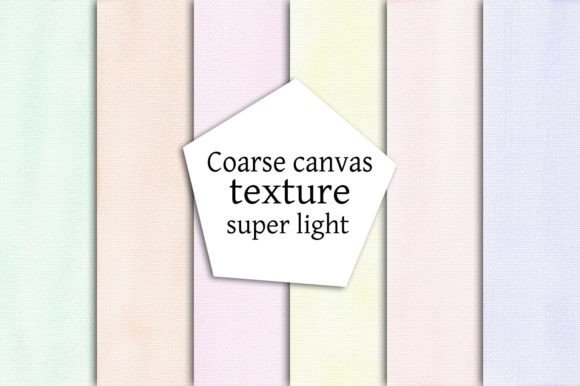
There is enduring value in capturing real-world textures. Scanning painted surfaces, fabric weaves, or natural materials introduces organic imperfections that digital tools struggle to replicate authentically. Many top-tier designers maintain personal libraries of scanned textures, blending analog authenticity with digital flexibility. This hybrid approach often yields the most emotionally resonant results.
Licensing and Ethical Considerations
When time or skill constraints necessitate stock assets, due diligence is essential. Verify license terms for commercial use, especially for high-profile campaigns. More importantly, consider the saturation of popular texture packs. If a specific abstract texture appears in thousands of templates, it loses its power to differentiate. Seek out niche creators or lesser-known marketplaces to find fresher visual vocabulary.
Future Trends and Evolving Standards
The landscape of abstract texture continues to evolve alongside technology. We are currently witnessing a shift toward dynamic texture—surfaces that respond to user interaction, scroll position, or real-time data. Static backgrounds are giving way to living canvases that breathe with the content. Additionally, AI-assisted texture generation is democratizing access to high-quality assets, though this raises new questions about originality and copyright.
Professionals should also anticipate stricter accessibility standards regarding textured interfaces. As inclusive design becomes non-negotiable, the ability to implement texture that enhances rather than hinders usability will become a key differentiator in hiring and project selection. Future-proofing your skills means mastering both the artistic and technical dimensions of abstract texture.
Making Informed Decisions for Your Next Project
Ultimately, abstract texture is a tool of communication. Its value lies not in its complexity but in its appropriateness. Before adding texture to any project, ask: What problem does this solve? If the answer is "it looks nice," reconsider. If the answer involves improving readability, establishing mood, reinforcing brand identity, or enhancing user engagement, you are on the right path.
Start small. Test subtle implementations before committing to bold statements. Gather feedback from actual users, not just fellow designers. Measure performance metrics when possible. Treat abstract texture with the same rigor you apply to typography, color theory, and layout. When approached strategically, it transforms from mere decoration into a powerful component of effective visual communication.
Whether you are redesigning a mobile app, refreshing corporate stationery, or conceptualizing an immersive installation, abstract texture offers a rich vocabulary for expression. By understanding its psychological foundations, respecting its technical constraints, and aligning it with clear objectives, you harness its full potential to create work that resonates deeply with audiences. In a world saturated with literal imagery, the thoughtful application of abstraction stands out precisely because it invites feeling before thinking—a rare and valuable quality in contemporary design.