Abstract Textured Paint: Redefining Depth in Modern Visual Communication
In an era dominated by high-resolution screens and hyper-realistic digital rendering, there is a distinct and growing counter-movement toward the tactile. Abstract textured paint has emerged not merely as an artistic medium for gallery walls, but as a vital visual language for designers, marketers, and creators seeking to break through digital fatigue. This shift represents more than an aesthetic preference; it is a response to a sanitized visual landscape where perfection often equates to sterility. By embracing the unpredictability of physical media, professionals are finding new ways to convey authenticity, emotion, and brand identity in a marketplace that increasingly values human touch over algorithmic precision.
The Shift From Flat Design to Tactile Authenticity
For over a decade, the dominant trend in digital design was flat minimalism. Clean lines, solid colors, and vector graphics reigned supreme because they loaded quickly and scaled perfectly across devices. However, as audiences became desensitized to this uniformity, a craving for complexity returned. Abstract textured paint satisfies this need by introducing organic imperfection into structured environments. The relevance of this medium today lies in its ability to ground digital experiences in physical reality. When a website background features the subtle grain of canvas or the chaotic ridges of impasto acrylic, it triggers a sensory memory in the viewer. This psychological connection transforms passive scrolling into active engagement, making content feel less like data consumption and more like a curated experience.
This evolution is particularly significant for entrepreneurs and business owners who must differentiate their brands without massive advertising budgets. In a saturated market, texture acts as a non-verbal differentiator. It signals craftsmanship and intentionality. Unlike stock photography or AI-generated patterns, which can often be traced back to a common source, genuine abstract texture is inherently unique. No two brushstrokes are identical, providing businesses with proprietary visual assets that cannot be replicated by competitors using the same software tools.
Bridging Physical Media and Digital Workflows
The modern application of abstract textured paint rarely stays on the easel. Its primary utility for today’s professionals lies in hybrid workflows that merge analog creation with digital distribution. Creators are no longer choosing between being traditional painters or digital designers; they are integrating both disciplines to enhance productivity and creative output. High-fidelity scanning and photogrammetry have made it possible to capture the microscopic details of dried paint, plaster, and mixed media, converting them into seamless digital assets.
This integration addresses a critical pain point in contemporary content creation: the balance between originality and efficiency. Creating custom illustrations for every project is time-prohibitive for freelancers and agencies operating under tight deadlines. Conversely, relying solely on generic assets dilutes brand impact. Abstract textured paint serves as a scalable middle ground. A single session of experimental painting can yield dozens of unique overlays, backgrounds, and masking elements that streamline future design work while maintaining a bespoke quality. This approach aligns with modern agile methodologies, allowing teams to build libraries of authentic assets that accelerate production without sacrificing artistic integrity.
Practical Applications Across Creative Industries
The versatility of abstract textured paint extends far beyond fine art. Its practical implications vary significantly depending on the user's role and objectives. Understanding these specific applications helps professionals leverage the medium effectively rather than treating it as mere decoration.
- Brand Identity and Packaging: For marketers and product designers, texture communicates value. A luxury skincare line might utilize smooth, creamy paint textures to suggest efficacy and softness, while a rugged outdoor brand might employ coarse, gritty impasto to evoke durability. These textural cues process faster in the consumer's brain than copy, setting expectations before a single word is read.
- Web and UI Design: Developers and UX designers use subtle texturing to create hierarchy and focus. Unlike bold colors that compete with content, neutral abstract textures provide depth that guides the eye without causing cognitive overload. They also help mitigate the harshness of blue-light emitting screens, creating a warmer, more comfortable viewing experience for users spending extended periods on a platform.
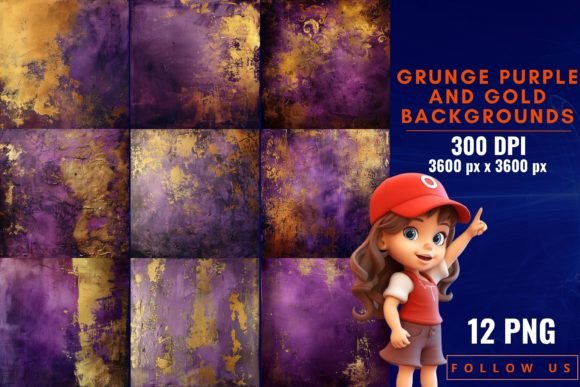
- Content Creation and Social Media: Bloggers and social media managers face the relentless demand for fresh visuals. Abstract textured backgrounds serve as excellent negative space for typography, ensuring text remains legible while avoiding the blandness of solid colors. They also perform exceptionally well in video formats, where static flat colors can appear dead on camera, whereas textured surfaces interact dynamically with lighting and movement.
- Interior and Spatial Design: For educators and business owners designing physical spaces, large-scale abstract textured murals offer acoustic benefits alongside aesthetic ones. Thickly applied paints and mixed media materials can dampen sound in open-plan offices or classrooms, improving focus and reducing stress levels in ways that digital prints cannot.
Navigating Material Choices and Sustainability
As interest in abstract textured paint grows, so does the responsibility regarding material selection. Professionals and hobbyists alike are increasingly scrutinizing the environmental impact of their tools. Traditional heavy-body acrylics and oil paints, while effective, carry ecological footprints that conflict with the values of many modern brands and creators. This has spurred innovation in sustainable alternatives that do not compromise on performance.
Water-based modeling pastes, recycled paper pulps, and bio-resins are gaining traction as viable substitutes for petroleum-based mediums. These materials allow creators to achieve profound relief and surface variation while adhering to eco-conscious principles. For businesses, documenting the use of sustainable materials in the creation of brand assets adds another layer of narrative authenticity. It demonstrates that the commitment to texture is matched by a commitment to responsible practice. Furthermore, these newer materials often dry faster and emit fewer volatile organic compounds (VOCs), making them safer for home studios and shared workspaces where ventilation may be limited.
Cultivating a Textural Mindset in Professional Practice
Adopting abstract textured paint requires a shift in mindset as much as a change in toolkit. For professionals accustomed to the undo button and pixel-perfect control, working with physical texture demands a tolerance for ambiguity. The paint behaves according to physics, not parameters. Drying times, humidity, and gravity introduce variables that cannot be fully predicted. Rather than viewing this as a hindrance, successful practitioners frame it as a collaborative process with the material itself.
This acceptance of controlled chaos fosters cognitive flexibility. Engaging in tactile creation activates different neural pathways than digital manipulation, often leading to breakthroughs in problem-solving and ideation. Many entrepreneurs and strategists now incorporate brief sessions of abstract texturing into their brainstorming routines, not to produce art, but to disrupt linear thinking patterns. The physical act of spreading, scraping, and layering material serves as a somatic reset, clearing mental clutter and allowing fresh perspectives to emerge.
Moreover, this practice reinforces the value of process over product. In a results-oriented business culture, the meditative aspect of building texture offers a necessary counterbalance to burnout. It reminds creators that depth takes time to accumulate, whether in a painting or a career. The layers must dry before the next can be applied; rushing leads to cracking and muddiness. This tangible lesson in patience translates directly to project management and strategic planning, encouraging a more sustainable pace of work.
Future-Proofing Visual Strategies
Looking forward, the role of abstract textured paint will likely deepen as artificial intelligence continues to saturate the visual field. As generative models become proficient at mimicking styles, the provenance of physical artifacts will gain premium status. Audiences are becoming adept at distinguishing between synthesized perfection and genuine material interaction. Investing in real-world textural skills and assets is therefore a long-term strategy for maintaining relevance.
However, this does not mean rejecting technology. The most resilient visual strategies will be those that treat abstract textured paint as a foundational element within a broader technological ecosystem. We are moving toward augmented and virtual reality environments where spatial computing relies heavily on surface properties to sell immersion. Flat textures fail in 3D space; they lack the parallax and light interaction necessary for believability. Scanned abstract paint provides the complex normal maps and displacement data required to make virtual environments feel inhabited and real. Professionals who understand how to create, capture, and implement physical texture will possess a critical advantage in shaping the next generation of immersive media.
Ultimately, abstract textured paint remains relevant because it addresses a fundamental human need for connection in an increasingly disembodied world. Whether used to elevate a corporate identity, enhance a digital interface, or simply explore personal creativity, it offers a tangible anchor. For the diverse audience of professionals, creators, and curious minds navigating the complexities of modern life, texture is not just a stylistic choice. It is a functional tool for communication, a safeguard against homogenization, and a reminder that even in our most advanced digital endeavors, we remain physical beings seeking resonance in the things we see and touch.