Beach Ice Cream PNG Bundle: A Practical Guide to Selecting and Using Digital Assets
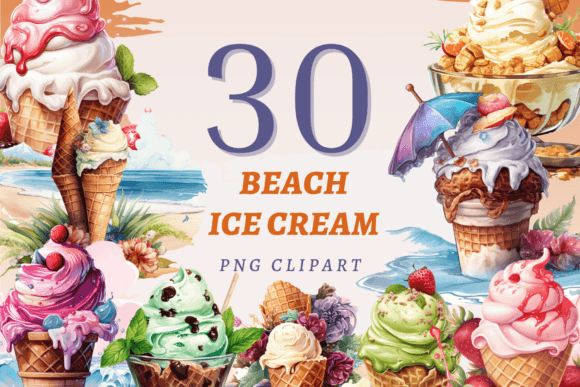
Summer-themed design projects require a specific visual language that evokes warmth, nostalgia, and relaxation. When sourcing graphics for these campaigns, creators often turn to a Beach Ice Cream PNG Bundle as a foundational asset library. These collections typically offer pre-rendered illustrations of frozen treats, tropical fruits, beach accessories, and sandy textures with transparent backgrounds. The appeal is obvious: they save hours of illustration time and provide a cohesive aesthetic for everything from social media posts to product packaging.
However, the convenience of digital asset bundles can sometimes lead to complacency in selection and application. Many designers and business owners assume that any bundle labeled "beach" or "summer" will seamlessly integrate into their workflow. This assumption frequently results in technical headaches, legal complications, or designs that look amateurish despite professional intentions. Understanding the nuances of file quality, licensing terms, and stylistic consistency is essential before making a purchase or downloading free resources. By addressing common oversights early, you ensure your investment translates into high-quality, usable creative work.
Evaluating Technical Specifications Beyond the Thumbnail
The most frequent mistake occurs during the evaluation phase, where buyers focus solely on the preview image rather than the underlying file data. A thumbnail might look crisp on a marketplace listing, but the actual files inside the Beach Ice Cream PNG Bundle may lack the resolution necessary for professional output. Relying on low-resolution assets limits your versatility; an image that looks acceptable in an Instagram story may appear pixelated or blurry when printed on a flyer or displayed on a high-density monitor.
Always verify the pixel dimensions and DPI (dots per inch) before acquiring a bundle. For print applications, standard web resolution (72 DPI) is insufficient. You should look for assets that are at least 300 DPI at their intended physical size. Additionally, check the color profile. Screens use RGB, while printers use CMYK. While many modern RIP software solutions handle conversion well, starting with CMYK-intended assets or high-quality RGB files prevents unexpected color shifts, particularly with vibrant neon pinks and yellows common in ice cream illustrations. If a bundle does not list these specifications clearly, treat it as a red flag regarding the seller's professionalism.
The Transparency Trap and Edge Quality
The primary value proposition of a PNG file is its alpha channel, or transparency. Yet, not all transparent backgrounds are created equal. A poorly processed Beach Ice Cream PNG Bundle often suffers from "haloing," where a faint white or colored fringe remains around the subject. This artifact becomes glaringly obvious when placed against dark or saturated backgrounds, instantly degrading the perceived quality of your design.
Before committing to a large collection, download a sample file if possible and test it against various background colors. Inspect the edges at 100% zoom. Clean, anti-aliased edges indicate proper masking techniques, while jagged or fuzzy borders suggest automated background removal tools were used without manual cleanup. Furthermore, ensure the bundle includes layered source files (such as PSD or AI) alongside the flattened PNGs. Having access to layers allows you to adjust shadows, recolor elements, or fix minor edge issues yourself, providing a safety net that flat images cannot offer.
Navigating Licensing and Commercial Usage Rights
Misunderstanding licensing terms is perhaps the most consequential error users make with digital asset bundles. There is a pervasive misconception that purchasing a Beach Ice Cream PNG Bundle grants unlimited ownership. In reality, you are typically buying a limited license to use the assets under specific conditions. Confusing personal use rights with commercial rights can expose small business owners and freelancers to copyright infringement claims, especially if the assets are used in products intended for resale.
Read the End User License Agreement (EULA) thoroughly. Pay close attention to clauses regarding:
- Print-on-Demand (POD): Some licenses prohibit using standalone graphics on merchandise like t-shirts or mugs without significant modification.
- Digital Redistribution: You generally cannot resell or redistribute the PNG files themselves, even as part of a new kit.
- Client Work: Verify if you can transfer usage rights to a client or if they must purchase their own license.
- Credit Requirements: Free bundles often require attribution, whereas paid premium bundles usually do not.
If your project involves selling physical goods featuring these ice cream illustrations, ensure the license explicitly covers commercial manufacturing. When in doubt, contact the creator directly for clarification. Documenting this permission protects your business and ensures ethical compensation for the artist.
Avoiding Stylistic Dissonance in Bundles
Bundles are marketed as cohesive sets, but they are sometimes cobbled together from disparate sources or created over several years with evolving styles. Using a Beach Ice Cream PNG Bundle that lacks internal consistency can make a design feel disjointed. Mixing hyper-realistic watercolor scoops with flat vector cones creates visual tension that confuses the viewer and dilutes brand messaging.
Evaluate the stroke weight, lighting direction, shadow style, and color palette across the entire collection. Do the shadows fall consistently to the bottom right? Is the line art uniform in thickness? Does the texture match throughout? If you notice significant variations, plan how to mitigate them. You might need to apply a global color grade, add a unifying texture overlay, or restrict your selection to only the most compatible elements within the bundle. Curating the bundle is often more important than using every single asset it contains.
Strategic Application for Maximum Impact
Even high-quality, properly licensed assets can fail if applied without design intent. A common pitfall is treating clipart as a complete solution rather than a component. Placing a generic ice cream graphic on a blank canvas rarely communicates a unique brand identity. To maximize the value of your Beach Ice Cream PNG Bundle, integrate the elements into a broader custom layout.
Consider combining multiple elements to create a unique composite scene. Layer a waffle cone behind text, scatter sprinkles to guide the viewer’s eye toward a call-to-action, or use a melting popsicle as a decorative frame. Modify the assets to suit your specific needs; flip them horizontally, adjust the hue to match your brand guidelines, or crop them to focus on interesting details. This transformative approach not only improves the aesthetic outcome but also strengthens your position regarding fair use and originality in commercial contexts.
File Management and Workflow Efficiency
Finally, do not overlook organization. Large bundles can contain hundreds of files with generic names like "ice_cream_045.png." Failing to organize these assets immediately leads to wasted time searching through folders during active projects. Create a structured directory system based on categories such as "Cones," "Popsicles," "Toppings," and "Background Elements." Rename files descriptively upon download. Tagging files in asset management software can further streamline retrieval.
Treating a Beach Ice Cream PNG Bundle as a professional resource requires diligence from selection through execution. By verifying technical specs, respecting licensing boundaries, ensuring stylistic harmony, and applying strategic design thinking, you transform a simple collection of images into a powerful tool for effective visual communication. The goal is not just to fill space with summer imagery, but to enhance your project’s quality and credibility through informed, intentional choices.