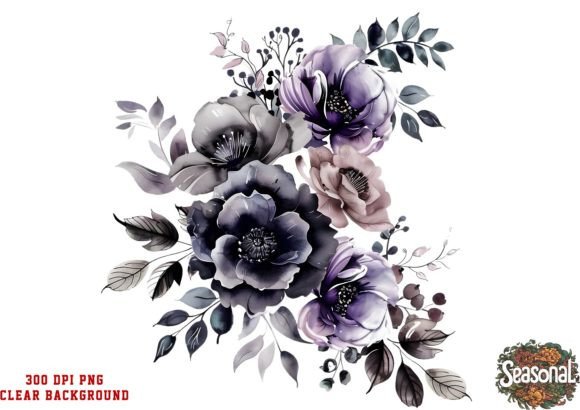
Evaluating Boho Wedding Day Flowers for Your Celebration
Boho wedding day flowers represent a distinct aesthetic within the broader landscape of bridal design, characterized by an organic, free-spirited, and often textural approach to floral arrangements. Unlike traditional formal floristry that prioritizes symmetry, uniformity, and tight clustering, bohemian floral design embraces asymmetry, negative space, and a "freshly gathered" appearance. For couples researching this style, understanding the nuances of boho wedding day flowers is essential for determining if this aesthetic aligns with their vision, venue, and budget. This evaluation explores the practical considerations, benefits, and potential tradeoffs associated with selecting this specific floral style.
Defining the Bohemian Floral Aesthetic
To accurately evaluate whether boho wedding day flowers are appropriate for your event, it is necessary to move beyond the generic label and understand the technical components of the style. True bohemian floristry relies heavily on texture and movement rather than sheer volume or color saturation. Key elements typically include:
- Focal Blooms: Garden roses, dahlias, and ranunculus that feature open faces and natural petal variations rather than tightly wound buds.
- Textural Fillers: Pampas grass, dried palms, bunny tails, astilbe, and scabiosa pods that add depth and tactile interest.
- Greenery Choices: Wild, trailing foliage such as olive branches, eucalyptus, ferns, and ivy that mimic natural growth patterns rather than manicured hedges.
- Dried Elements: The integration of preserved botanicals provides longevity and reinforces the earthy, unstructured vibe central to the genre.
When reviewing portfolios, look for arrangements that appear effortless yet intentional. If the flowers look rigidly placed or perfectly round, they may not represent the authentic boho style you are seeking, even if marketed as such.
Benefits of Choosing Boho Florals
Couples often gravitate toward boho wedding day flowers for reasons extending beyond visual preference. There are functional and atmospheric advantages inherent to this style that can enhance the overall guest experience and photographic outcome.
Visual Softness and Photographic Versatility
The loose, airy structure of bohemian arrangements photographs exceptionally well in natural light. The varying heights and textures create shadows and dimension that flat, dense arrangements often lack. This style complements outdoor venues, rustic barns, and forest settings by mirroring the surrounding environment rather than competing with it. For couples prioritizing candid, emotive photography over posed formality, these flowers serve as a cohesive backdrop.
Seasonal Flexibility and Sustainability
Because the boho aesthetic celebrates imperfection and variety, it is often more adaptable to seasonal availability than formal styles requiring specific, uniform blooms. Florists can substitute similar textural elements without compromising the overall design integrity. Additionally, the frequent use of dried flowers and locally sourced greenery can reduce the carbon footprint associated with importing out-of-season exotic blooms, appealing to eco-conscious couples.
Personal Expression
This style allows for greater personalization through non-traditional elements. Incorporating heirloom lace, feathers, crystals, or foraged items from meaningful locations is stylistically consistent with boho wedding day flowers, whereas these additions might clash with classic or modern minimalist designs.
Tradeoffs and Practical Considerations
Despite its popularity, the bohemian style presents specific challenges that must be weighed during the decision-making process. Understanding these tradeoffs prevents misaligned expectations regarding cost, durability, and execution.
The Cost Misconception
A common assumption is that boho wedding day flowers are inherently cheaper due to their "wild" appearance. In reality, achieving a curated, artful mess requires significant labor and expertise. High-quality dried botanicals, specialty garden roses, and unique textural stems can command premium prices. Furthermore, constructing stable, asymmetrical arrangements that do not collapse under their own weight demands advanced technical skill. Couples should expect pricing comparable to, and sometimes exceeding, traditional styles depending on the rarity of requested textures.
Durability and Environmental Sensitivity
The delicate nature of many boho blooms makes them sensitive to heat and handling. Open-faced garden roses and wispy grasses may wilt faster in high temperatures compared to hardy hydrangeas or orchids used in formal arrangements. If planning an outdoor summer ceremony, discuss hydration strategies and backup plans with your florist. Dried elements offer stability but can be fragile; pampas grass, for example, may shed or break if subjected to strong winds or heavy guest interaction.
Venue Compatibility
While versatile, boho florals can appear out of place in certain environments. Ultra-modern industrial spaces, grand ballrooms with crystal chandeliers, or highly structured architectural venues may clash with the earthy, unrefined nature of bohemian arrangements. In these settings, the flowers risk looking messy rather than intentional. Evaluating the venue’s existing decor and lighting is crucial before committing to this aesthetic.
Situational Fit: When to Choose Boho vs. Alternatives
Determining whether boho wedding day flowers are the right choice involves assessing your specific priorities against alternative styles.
Strong Fit Scenarios
- Outdoor or Nature-Centric Venues: Vineyards, forests, beaches, and gardens provide the ideal canvas for organic floristry.
- Relaxed Guest Experience: If the goal is a festive, comfortable atmosphere where guests feel at ease, boho florals reinforce this tone.
- Non-Traditional Color Palettes: Earth tones, terracottas, muted pastels, and jewel tones thrive in this style.
- Mixed Texture Preference: Couples who value interesting combinations of fresh and dried materials will find this style most satisfying.
When to Consider Alternatives
- Formal Black-Tie Events: Traditional weddings often require the polish and uniformity of classic or modern florals to match dress codes and etiquette.
- Budget Constraints Focused on Volume: If maximizing bloom count per dollar is the primary metric, tight cluster arrangements using commercial-grade flowers may offer better value than artisanal boho designs.
- Allergy Concerns: Many textural boho elements, particularly grasses and pollen-heavy wildflowers, can trigger allergies more readily than low-pollen tropical alternatives.
- Desire for Symmetry: If balanced, mirrored arrangements bring you comfort and joy, the intentional asymmetry of boho may feel unsettling rather than beautiful.
Decision-Making Insights for Couples
For those still evaluating boho wedding day flowers, focus on communication and verification. Request to see full wedding galleries rather than isolated bouquet shots to understand how the style translates across centerpieces, installations, and personal flowers. Ask potential florists specifically about their experience with textural work and dried materials, as this differs significantly from standard floristry training.
Create a mood board that includes both inspiration images and practical constraints like venue photos and budget parameters. Share this with vendors early to gauge feasibility. Finally, trust your authentic response to the imagery. Trends evolve, but your wedding should reflect your genuine taste. If the relaxed elegance of boho resonates deeply despite practical complexities, it is likely the correct choice. Conversely, if you admire the trend but feel anxious about its informality, exploring transitional styles that blend boho texture with structured forms may provide the ideal compromise.