Integrating Floral Horse Clipart into Modern Creative Projects
The intersection of equestrian elegance and botanical beauty creates a visual language that resonates across generations. When designers, crafters, and educators search for floral horse clipart, they are rarely looking for a simple anatomical drawing of an animal. Instead, they seek a specific aesthetic fusion where the strength of the horse is softened and enhanced by organic floral elements. This unique niche serves as a bridge between rustic country themes and sophisticated bohemian design, making it one of the most versatile assets in digital illustration libraries today.
Understanding how to effectively utilize these illustrations requires more than just downloading a file. It involves recognizing the stylistic variations available, understanding licensing nuances, and knowing which file formats best serve your specific medium. Whether you are designing a wedding invitation suite, creating educational materials for biology class, or branding a boutique equine therapy center, the right clipart acts as a foundational element that sets the tone for the entire project.
Defining the Aesthetic: From Silhouette to Watercolor
Not all floral horse clipart is created equal. The market is saturated with varying styles, each serving a distinct purpose in the design hierarchy. Recognizing these differences is the first step in selecting assets that will elevate rather than clutter your work.
Silhouettes with Botanical Overlays
This style features a solid black or colored outline of a horse filled with intricate flower patterns. These are exceptionally popular for logo design and merchandise because they read well at small sizes. The high contrast ensures visibility on everything from business cards to embroidered patches. When choosing this style, look for vectors that allow you to change the silhouette color independently of the floral fill, providing maximum flexibility for brand consistency.
Watercolor and Painterly Styles
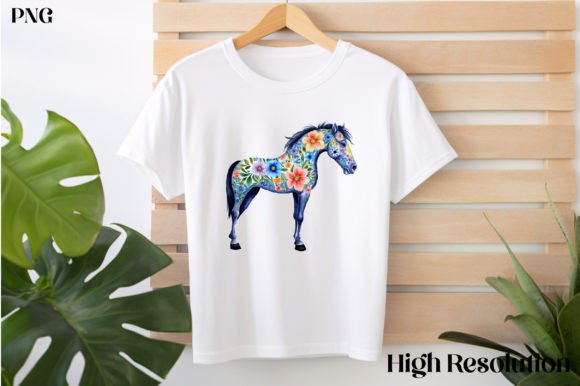
For projects requiring a softer, more emotional touch, watercolor-style clipart is the industry standard. These illustrations often feature loose brushstrokes where the horse’s form dissolves into peonies, roses, or wildflowers. This aesthetic is dominant in the wedding and stationery industry. However, users must be cautious with resolution; watercolor textures require high DPI (typically 300 or above) to prevent pixelation when printed on textured paper or cardstock.
Vintage and Woodcut Revivals
A growing trend in modern design is the return to detailed, engraving-style illustrations. These pieces mimic 19th-century biological prints but incorporate Art Nouveau floral borders. They lend an air of authority and heritage, making them ideal for wineries, equestrian clubs, or premium product packaging. Unlike flat vector art, these rely on line weight and shading to create depth, requiring careful placement against uncluttered backgrounds.
Practical Applications Across Industries
The utility of floral horse clipart extends far beyond decorative scrapbooking. Its dual nature allows it to function in commercial, educational, and personal spheres with equal efficacy.
- Equestrian Business Branding: Veterinary clinics, farriers, and riding schools often struggle to balance professionalism with approachability. A clinical logo can feel sterile, while a cartoonish one lacks authority. Floral-infused equine imagery strikes a balance, suggesting care, nature, and expertise simultaneously.
- Event Stationery and Decor: For barn weddings or equestrian-themed galas, this clipart serves as a unifying motif. It appears on save-the-dates, menu cards, seating charts, and even custom cocktail napkins. The floral element allows the horse theme to blend seamlessly with the event's overall color palette and flower arrangements.
- Educational Resources: Teachers and homeschoolers use these illustrations to make learning engaging. A diagram of horse anatomy overlaid with native wildflowers can teach both biology and botany in a single visual. The artistic appeal helps maintain student interest in scientific subjects.
- Textile and Surface Pattern Design: Fashion designers and interior decorators frequently use repeating patterns of floral horses for nursery wallpaper, children’s bedding, and apparel. In this context, the clipart must be seamless and balanced to avoid visual fatigue when repeated over large surface areas.
Technical Considerations for Seamless Workflows
Selecting the right image is only half the battle; ensuring it performs correctly in your workflow is equally critical. Many creative frustrations stem from mismatched file types or poor asset management.
Vector vs. Raster: Making the Right Choice
If your project involves scaling—such as designing a banner that might also be used as a social media icon—you must prioritize SVG or EPS vector files. Vectors use mathematical paths rather than pixels, meaning floral horse clipart can be resized infinitely without losing quality. Raster files like PNG or JPG are suitable for fixed-size digital use or high-resolution print, but they become problematic if you need to enlarge them beyond their original dimensions. Always check the source file type before purchasing or downloading.
Transparency and Layering
For composite designs, transparency is non-negotiable. Ensure your clipart comes with a transparent background or is easily separable from its backdrop. If working with raster images, verify that the edges are clean; jagged white halos around floral leaves can ruin an otherwise professional layout. Advanced users should look for layered PSD or AI files, which allow individual manipulation of the horse and the flowers. This capability enables you to recolor just the blooms to match a specific Pantone shade while keeping the horse neutral.
Navigating Licensing and Commercial Use
One of the most overlooked aspects of using digital art is understanding the legal framework. Just because an image is accessible does not mean it is free for all uses. Misunderstanding licensing can lead to copyright infringement claims, particularly for businesses selling physical products.
Personal Use Licenses typically cover invitations for your own wedding, classroom decorations, or personal journaling. You cannot sell items featuring the art or use them to promote a business.
Commercial Licenses are required when the clipart contributes to a product or service intended for profit. This includes selling t-shirts, mugs, or digital planners featuring the design. Some licenses have caps on the number of units sold (e.g., up to 500 physical items), requiring an extended license for higher volumes.
Print-on-Demand (POD) Restrictions are a specific subset of commercial licensing. Many artists prohibit their work from being used on POD platforms like Redbubble or Printful unless significant modifications are made. Simply placing a standalone piece of floral horse clipart on a mug is often a violation. The art usually needs to be part of a larger, transformative design to qualify for POD usage. Always read the specific terms of service provided by the artist or marketplace.
Design Best Practices for Cohesive Results
To maximize the impact of these illustrations, consider the following design principles that ensure the clipart enhances rather than overwhelms your project.
- Mind the Negative Space: Floral horse designs are inherently busy. Balance them with ample whitespace or solid color blocks. Crowding the clipart with additional patterns or heavy text reduces legibility and visual impact.
- Color Harmony: Extract colors directly from the clipart to build your palette. If the horse features sage green leaves and dusty rose petals, use those exact hex codes for your typography and background elements. This creates a subconscious sense of unity.
- Scale Appropriately: Determine the focal point. If the horse is the hero element, let it dominate. If it is merely supporting text, reduce its opacity or size so it doesn't compete for attention. Hierarchy guides the viewer’s eye through the composition.
- Contextual Relevance: Match the flower species to the message. Wildflowers suggest freedom and untamed beauty, perfect for ranch branding. Cultivated roses imply tradition and refinement, better suited for formal events. Lavender or chamomile evokes calmness, ideal for therapy or wellness contexts.
Sourcing Quality Assets Responsibly
Where you obtain your floral horse clipart matters as much as what you choose. Dedicated design marketplaces often offer higher quality and clearer licensing than generic free image sites. When evaluating a source, examine the artist’s portfolio for consistency in style and technical execution. Read reviews specifically mentioning file quality and customer support regarding licensing questions.
Supporting independent illustrators not only ensures you receive unique, non-generic assets but also sustains the creative ecosystem. Many artists offer bundle deals that provide multiple poses and floral variations, offering better value for comprehensive projects. By investing in properly licensed, high-quality artwork, you protect your project from legal risks while ensuring the final result possesses the polish and professionalism that distinguishes exceptional design from amateur effort.
Ultimately, the enduring popularity of this genre lies in its ability to evoke emotion while remaining functional. It transforms the majestic power of the horse into something accessible and tender, allowing creators to communicate themes of grace, nature, and strength across virtually any medium. With careful selection and mindful application, these illustrations remain a timeless tool in the modern designer’s repertoire.