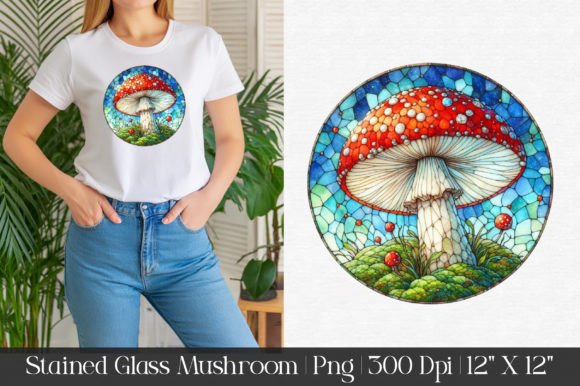
Mastering Stained Glass Mushroom Sublimation: A Guide to Vibrant, Durable Designs
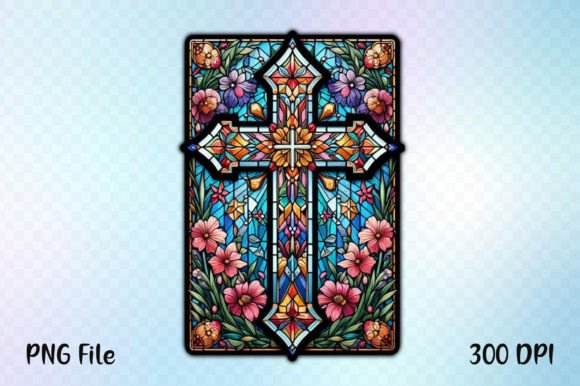
The intersection of botanical whimsy and luminous color has made stained glass mushroom sublimation one of the most sought-after aesthetics in the personalized gift market. This specific design style mimics the leaded glass technique of traditional stained glass windows but utilizes dye-sublimation technology to infuse vibrant, translucent-looking colors directly into polymer-coated substrates. For crafters, small business owners, and hobbyists, mastering this niche requires more than just a pretty PNG file; it demands an understanding of color management, substrate selection, and pressing techniques to achieve that signature glowing effect without muddiness or ghosting.
Understanding the Unique Challenges of Faux Stained Glass
While standard sublimation prints rely on solid blocks of color, stained glass mushroom sublimation depends entirely on contrast and luminosity. The primary challenge creators face is achieving true transparency. Sublimation ink is translucent by nature, but it cannot create white light. If you print a stained glass design onto a white mug, the "glass" panes will look pastel rather than radiant. Conversely, printing on dark substrates without a white underbase results in invisible designs. The goal is to replicate the backlit appearance of real glass, which requires strategic planning regarding both the digital file and the physical blank.
Another significant hurdle is registration and alignment. Stained glass patterns feature intricate black outlines that simulate lead caming. During the heat press process, even a millimeter of shift can cause these bold lines to blur or double, destroying the crisp definition necessary for the illusion to work. Furthermore, mushrooms often feature complex gradients within individual glass panes to simulate texture and depth. If heat distribution is uneven, these gradients can band or transfer patchily, making the final product look amateurish rather than artisanal.
Selecting Substrates for Maximum Luminosity
To solve the transparency issue inherent in stained glass mushroom sublimation, material selection is your most powerful tool. Standard white ceramics are acceptable for beginners, but they rarely produce the high-end glow associated with premium stained glass art. Experienced sublimation professionals recommend utilizing specialized blanks designed specifically for this aesthetic.
- Clear Glass Blanks: Tumblers, ornaments, and cutting boards made of clear glass allow light to pass through the ink, creating genuine translucency. When held up to a window or LED base, the mushroom design truly glows.
- Frosted or Textured Glass: These surfaces diffuse light beautifully, softening the harshness of the sublimation ink and mimicking the texture of antique or cathedral glass. They are particularly forgiving of minor pressing imperfections.
- Metallic and Pearl Coatings: For opaque items like tumblers or coasters, metallic silver or pearl white bases reflect light back through the ink layer. This creates a shimmering, internal luminescence that standard white coatings cannot achieve, making the mushroom caps appear lit from within.
- Acrylic and Polycarbonate: These materials offer excellent color vibrancy and are lightweight, making them ideal for keychains, garden stakes, and nightlights where glass might be too heavy or fragile.
Optimizing Digital Files for Crisp Transfers
Success in stained glass mushroom sublimation begins long before the heat press warms up. The digital artwork must be optimized for the specific limitations of dye-sublimation printing. Because sublimation inks darken significantly during the heating process, designs that look perfect on a monitor often transfer too dark, losing the delicate details inside the mushroom caps.
It is essential to increase brightness and contrast in your RIP software or graphic design program before printing. Boosting the gamma slightly helps maintain detail in the darker shades of red, purple, and brown commonly found in fungal illustrations. Additionally, ensure your black outlines are pure K (100% black) rather than rich black. Rich black introduces cyan, magenta, and yellow into the outline, which can bleed during pressing and create colored halos around the glass panes. Pure black lines remain sharper and provide the necessary structural definition that sells the stained glass illusion.
Precision Pressing Techniques for Intricate Details
The physical application of stained glass mushroom sublimation requires stricter parameters than generic full-wrap designs. Because the aesthetic relies on sharp lines separating distinct colors, any movement during the phase change of the ink is catastrophic. Using high-tack thermal tape is non-negotiable to secure the paper firmly against curved surfaces like tumblers or ornament discs. For flat items, using a silicone pad or felt sheet under the substrate ensures even pressure distribution across the entire design area, preventing light spots in the center of mushroom caps.
Temperature and time also play critical roles. While manufacturer guidelines provide a baseline, stained glass designs often benefit from slightly lower temperatures with extended dwell times. This slower transfer allows the gas to penetrate the coating evenly without causing the ink to spread laterally. For example, reducing temperature by 5-10 degrees and adding 15-30 seconds can result in significantly crisper line work. Always perform test presses on identical blanks when dialing in settings for a new stained glass collection, as coating thickness varies wildly between suppliers.
Practical Applications and Product Diversification
Once you have mastered the technical aspects, stained glass mushroom sublimation opens diverse revenue streams and creative outlets. This aesthetic appeals strongly to cottagecore enthusiasts, mycologists, and fans of fantasy decor, allowing for targeted marketing that general sublimation products often miss.
- Illuminated Decor: Combine clear glass or acrylic blanks with LED bases to create functional nightlights and table lamps. The sublimated mushroom acts as a shade, casting colored shadows and serving as ambient lighting.
- Garden and Outdoor Art: Use UV-resistant sublimation inks on aluminum or treated polymer stakes to create garden markers that withstand sunlight. The stained glass aesthetic stands out beautifully against green foliage.
- Functional Drinkware: Metallic tumblers and frosted glass mugs featuring these designs command higher price points due to their perceived artistic value. They serve as excellent gifts for teachers, therapists, and nature lovers.
- Seasonal Ornaments: The combination of nostalgic stained glass styling with natural mushroom motifs makes these highly collectible holiday items. Limited edition colorways can drive repeat purchases from collectors.
Tailoring Your Approach Based on Experience Level
Different users should approach stained glass mushroom sublimation based on their current capabilities and equipment. Beginners should start with flat, opaque substrates like coasters or slate tiles. These are forgiving, inexpensive, and allow you to practice color correction and timing without risking expensive glass blanks. Focus on sourcing high-quality, pre-made designs with verified color profiles to eliminate variables while learning.
Intermediate crafters ready to scale should invest in clear and metallic blanks to elevate their product line. At this stage, experimenting with custom color grading and creating proprietary designs becomes important for differentiation. Investing in a convection oven or tumbler press specifically calibrated for glass can reduce waste and improve consistency.
Advanced professionals and production shops should focus on workflow optimization and unique substrate sourcing. Custom-shaped glass blanks, dual-sided printing on acrylic, and combining sublimation with laser engraving or vinyl overlays can create mixed-media pieces that justify premium pricing. At this level, documenting your specific color profiles and press settings for each blank type ensures that stained glass mushroom sublimation remains a consistent, profitable pillar of your business rather than a sporadic experiment.
Ultimately, success in this niche comes from respecting the medium. Stained glass mushroom sublimation is not merely about transferring an image; it is about translating the feeling of light through color. By prioritizing substrate quality, refining digital assets for translucency, and maintaining rigorous pressing standards, you can create pieces that capture the magical, illuminated essence of forest fungi in a durable, functional format.