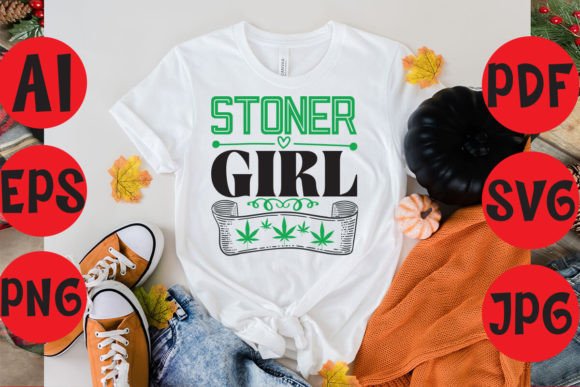
Stoner Girl: A Creative Guide to Modern Cannabis Culture
The "Stoner Girl" archetype has evolved far beyond the lazy, giggling caricature of early 2000s cinema. Today, this aesthetic and cultural identity represents a sophisticated intersection of wellness, creativity, and modern femininity. For designers, marketers, content creators, and entrepreneurs, understanding this shift is not just about following a trend; it is about recognizing a massive demographic change in how cannabis is consumed, discussed, and integrated into daily life. This guide explores how to leverage the Stoner Girl concept with authenticity, strategic depth, and creative purpose.
Redefining the Archetype for Modern Audiences
To use Stoner Girl effectively in creative projects, one must first dismantle outdated stereotypes. The contemporary iteration is defined by intentionality rather than escapism. She is often depicted as a functional creative, a wellness advocate, or an entrepreneur who integrates cannabis as a tool for focus, relaxation, or artistic enhancement. This shift mirrors broader societal changes regarding legalization and destigmatization.
When developing brand identities or content strategies, focus on these core pillars:
- Functionality over Intoxication: Highlight specific strains, terpenes, or consumption methods (like microdosing) that serve a purpose, such as aiding sleep, boosting creativity, or managing anxiety.
- Aesthetic Sophistication: Move away from neon greens and leaf iconography. Embrace earth tones, minimalist packaging, botanical illustrations, and high-end lifestyle photography.
- Inclusivity and Diversity: The Stoner Girl is not a monolith. Represent diverse ethnicities, body types, ages, and professional backgrounds to reflect the actual consumer base.
- Educational Value: Position the subject matter expert or influencer as a guide who demystifies dosage, safety, and legal compliance.
Visual Identity and Design Applications
For graphic designers and art directors, the Stoner Girl aesthetic offers a rich playground for visual storytelling that balances edge with approachability. The goal is to create visuals that feel native to platforms like Instagram and Pinterest while remaining distinct enough to build brand recognition.
Color Palettes and Typography
While green remains a staple, successful palettes now incorporate secondary colors that signal mood and effect. Lavender and soft blues suggest calm and sleep aids; warm terracottas and golds imply energy and social connection; stark blacks and whites convey luxury and premium quality. Typography has similarly shifted from psychedelic bubble letters to elegant serifs, clean sans-serifs, and retro-modern displays that evoke 1970s nostalgia without feeling dated.
Photography and Art Direction
Authenticity drives engagement. Avoid stock photos of people holding joints awkwardly. Instead, capture candid moments of integration:
- A designer sketching at a desk with a discrete vaporizer nearby.
- Friends sharing a meal where cannabis is present but not the sole focus.
- Flat lays featuring cannabis accessories alongside coffee, books, skincare, or tech gear.
- Close-ups of texture: smoke swirls, glass details, plant trichomes, and fabric.
This contextual framing normalizes consumption and aligns the product or message with a holistic lifestyle rather than a singular vice.
Content Strategy for Creators and Bloggers
Writers and digital publishers face unique challenges when covering cannabis due to platform restrictions and SEO volatility. Success requires a strategy rooted in helpfulness and E-E-A-T (Experience, Expertise, Authoritativeness, and Trustworthiness).
Navigating Platform Restrictions
Social media algorithms frequently shadowban cannabis-related content. To maintain reach, creators should adopt a "wellness-first" vocabulary. Discuss "plant medicine," "botanical rituals," or "mindful consumption" rather than using flagged terms. Focus on the surrounding lifestyle—recipes, meditation practices, creative workflows, or fashion—which attracts a broader audience and reduces algorithmic risk.
Building Trust Through Transparency
Your audience is increasingly savvy. They can detect sponsored content that lacks genuine experience. If reviewing products or discussing effects, be specific about your personal tolerance, setting, and expectations. Acknowledge potential downsides or contraindications. This balanced approach builds long-term trust far more effectively than relentless positivity.
SEO-Friendly Topic Clusters
Instead of targeting generic keywords like "stoner girl outfit," develop topic clusters that address specific user intents:
- Creative Enhancement: "Best sativa strains for writing," "Microdosing for artists," "Cannabis and flow state."
- Lifestyle Integration: "420-friendly date ideas," "Cannabis-infused dinner party menu," "Morning routines with CBD."
- Fashion and Gear: "Discreet storage solutions," "Sustainable hemp clothing brands," "Luxury glassware reviews."
- Education and Safety: "Understanding terpene profiles," "How to talk to kids about cannabis," "Navigating cannabis laws for travelers."
Entrepreneurial Opportunities and Product Development
The Stoner Girl demographic represents significant purchasing power. Entrepreneurs and small business owners can tap into this market by solving real problems rather than simply selling THC.
Accessories as Lifestyle Objects
The market is saturated with cheap plastic tools. There is immense demand for accessories that double as home decor or fashion statements. Think ceramic grinders that look like pottery, silk-lined stash bags, jewelry with hidden compartments, and odor-proof bags made from sustainable textiles. These products appeal to consumers who want their habits to match their interior design sensibilities.
Service-Based Offerings
Beyond physical goods, service providers can tailor offerings to this niche. Yoga instructors can offer "cannabis-enhanced movement" classes (where legally permissible). Chefs can host infusion workshops. Therapists specializing in psychedelic integration are seeing increased demand. Photographers can specialize in boudoir or portrait sessions that celebrate cannabis-positive self-expression.
Community Building
Loneliness and stigma remain barriers for many consumers. Creating safe, curated spaces—both digital and physical—is a valuable service. Private Discord servers, local meetup groups, or membership-based content platforms allow Stoner Girls to connect, share resources, and normalize their experiences without fear of judgment.
Maintaining Authenticity and Ethical Standards
As you integrate Stoner Girl themes into your work, ethical considerations must remain paramount. The commercialization of cannabis culture carries responsibilities, particularly given the plant's complex legal status and historical criminalization.
Avoid Cultural Appropriation: Acknowledge the roots of cannabis culture in Black, Latino, and Indigenous communities. Ensure your representation includes these voices and, where possible, support businesses owned by people from historically marginalized groups.
Prioritize Harm Reduction: Never glamorize excessive consumption or unsafe practices. Always include age gates, legal disclaimers, and resources for responsible use. Your content should empower users to make informed choices, not encourage reckless behavior.
Stay Legally Compliant: Cannabis regulations vary wildly by jurisdiction. What is acceptable in California may be illegal in Texas or federally prohibited. Consult legal experts before launching campaigns, selling products, or hosting events. Compliance is not optional; it is foundational to sustainable business in this space.
Practical Next Steps for Implementation
Whether you are rebranding, launching a new blog, or developing a product line, start with research. Immerse yourself in current conversations on Reddit, TikTok, and industry publications. Identify gaps in existing content or product offerings. Talk to real people in your target demographic about their frustrations and desires.
Create a mood board that captures the specific tone you aim to achieve. Is it clinical and precise? Bohemian and spiritual? Luxurious and exclusive? Playful and irreverent? Define this clearly before producing assets.
Test your messaging with a small segment of your audience before scaling. Gather feedback on whether your portrayal feels authentic or performative. Adjust based on real responses, not assumptions.
The Stoner Girl archetype is ultimately about agency. It represents women claiming ownership over their pleasure, health, and creativity on their own terms. When your creative work honors that agency with respect, accuracy, and genuine utility, it resonates deeply. Focus on serving this audience with substance, and the engagement will follow naturally. By grounding your approach in practical value and cultural awareness, you move beyond fleeting trends to build something lasting and meaningful within this evolving landscape.