The Strategic Appeal of Cute Halloween Sublimation Design in Modern Crafting and Commerce
The seasonal marketplace has undergone a significant aesthetic shift in recent years, moving away from exclusively macabre imagery toward a softer, more approachable visual language. At the center of this transition is the Cute Halloween Sublimation Design category, a niche that merges technical printing processes with whimsical artistry. For professionals in the personalized goods sector, educators planning seasonal activities, and hobbyists exploring new creative outlets, understanding the nuances of this specific design style is essential. It represents more than just a trend; it is a functional intersection of material science, color theory, and consumer psychology that dictates success in autumn-themed production.
Material Science and Color Management for Whimsical Aesthetics
Sublimation is fundamentally a chemical process where solid dye transitions into gas under heat and pressure, bonding permanently with polyester polymers or specialized coatings. While the mechanics remain constant regardless of the image, Cute Halloween Sublimation Design presents unique technical challenges distinct from traditional horror motifs. Traditional Halloween graphics often rely on high-contrast blacks, deep purples, and blood reds. In contrast, cute aesthetics utilize pastel oranges, muted lavenders, soft teals, and creamy whites. These lighter tones are notoriously unforgiving in the sublimation workflow.
Color accuracy becomes the primary technical hurdle. Pastel gradients can easily band or appear muddy if printer profiles are not calibrated specifically for light ink density. Professionals must understand that achieving a "cute" look requires precise ICC profile management to prevent oversaturation. A neon orange pumpkin reads as energetic but potentially harsh, whereas a peach-toned gourd conveys the intended warmth and nostalgia. Furthermore, because these designs often feature intricate line work—such as smiling ghost outlines or delicate bat wings—the resolution requirements are higher. Any pixelation or jagged edge that might be hidden in a dark, grunge-style texture becomes immediately visible against a clean, light background. Successful execution demands high-resolution source files, typically 300 DPI or higher at print size, to maintain the crispness associated with kawaii or cottagecore interpretations of the holiday.
Psychological Drivers and Market Expansion
The commercial viability of Cute Halloween Sublimation Design stems from its ability to broaden the demographic reach of seasonal merchandise. Traditional spooky decor appeals primarily to enthusiasts of the macabre or adult collectors. However, the "cute" variant activates different psychological triggers related to comfort, safety, and playfulness. This expansion allows creators to target markets that typically avoid Halloween products due to fear or sensory sensitivity.
- Early Childhood Education: Preschools and daycares require seasonal engagement without inducing anxiety. Soft, friendly imagery allows for thematic learning activities involving counting pumpkins or identifying colors without the distress associated with scary clowns or gore.
- Sensory-Sensitive Consumers: Individuals with autism or sensory processing disorders often find high-contrast, aggressive imagery overwhelming. Muted, predictable, and smiling character designs provide inclusive participation in seasonal traditions.
- Year-Round Crossover: Designs featuring cute bats, black cats, or mushrooms often transcend the October 31st deadline. These elements fit seamlessly into "Dark Academia," "Goblincore," or general autumn aesthetics, extending the product lifecycle well into November and December.
- Office and Professional Environments: Corporate settings often restrict overtly violent or disturbing decorations. Whimsical sublimated tumblers, mousepads, and lanyards allow employees to participate in office spirit days while adhering to HR-friendly guidelines.
By leveraging these psychological drivers, business owners can stabilize revenue streams. Instead of a two-week sales peak, Cute Halloween Sublimation Design facilitates a six-to-eight-week selling window that begins in late August and tapers off gently after the holiday, rather than dropping precipitously.
Application Versatility Across Substrates
The adaptability of this design style lies in its compatibility with diverse substrates. Because the aesthetic relies on charm rather than scale, it performs exceptionally well on smaller, personal items where traditional horror art might feel too intense. Understanding which products pair best with cute aesthetics is crucial for inventory planning.
Apparel and Wearables
Polyester blends and performance fabrics serve as ideal canvases for cute designs. Unlike heavy cottons used for vintage-style horror prints, lightweight poly-spandex blends complement the playful nature of the artwork. Baby onesies, toddler leggings, and women’s fitted tees are dominant categories here. The design placement also shifts; while horror art often centers on the chest, cute designs frequently utilize pocket-sized placements, sleeve prints, or repeating patterns that mimic textile prints rather than graphic transfers.
Hard Goods and Drinkware
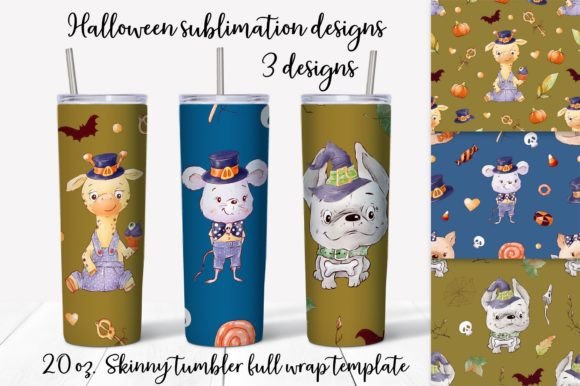
Tumblers, mugs, and coasters represent the highest volume category for Cute Halloween Sublimation Design. The cylindrical surface of a tumbler lends itself to panoramic scenes of haunted houses populated by smiling ghosts or wrapping patterns of candy corn characters. Glass ornaments and ceramic tiles also benefit from this style. The translucency of glass, when paired with soft pastel inks, creates a stained-glass effect that enhances the whimsical quality. Conversely, opaque white ceramic provides the necessary base for accurate color reproduction of light pinks and yellows that would otherwise disappear on uncoated surfaces.
Educational and Stationery Assets
Laminated bookmarks, pencil cases, and clipboard covers are underserved niches. Educators and parents seek durable, wipeable materials for classroom use. Sublimation onto aluminum or coated hardboard creates indestructible learning aids featuring friendly seasonal iconography. This application bridges the gap between decoration and utility, adding value beyond mere aesthetics.
Navigating Intellectual Property and Originality
A critical consideration for any professional or serious hobbyist entering this space is intellectual property (IP). The "cute Halloween" market is saturated with derivative works based on copyrighted characters from major animation studios. Using recognizable figures, even if redrawn in a sublimation-friendly style, carries significant legal risk and platform enforcement consequences on marketplaces like Etsy or Amazon.
Sustainable business practices demand original asset creation or proper licensing. Creators should focus on public domain archetypes—jack-o'-lanterns, black cats, witches' hats, and spiders—and reinterpret them through a unique stylistic lens. Developing a proprietary "cute" style involves deliberate artistic choices: rounding sharp corners, adjusting eye-to-face ratios to mimic infantile features (neoteny), and selecting a signature color palette. This not only mitigates legal risk but also builds brand recognition. When consumers associate a specific shade of sage green or a particular line weight with a creator's shop, they are purchasing a cohesive aesthetic experience rather than a generic commodity. Licensing agreements from independent artists on platforms like Creative Fabrica or Design Bundles offer a middle ground, provided the license terms explicitly cover commercial sublimation use.
Production Workflow Optimization
Integrating Cute Halloween Sublimation Design into an existing workflow requires adjustments to standard operating procedures. The margin for error is slimmer with light-colored, detailed artwork compared to bold, dark graphics.
- Pre-Press Verification: Always perform test prints on scrap fabric or paper before committing to expensive blanks. Verify that gradient transitions in pastel areas are smooth and that fine lines have not bled during the RIP software processing.
- Heat Press Calibration: Lighter colors can scorch more visibly than dark ones. Ensure heat press temperature is uniform across the entire platen. Even a five-degree variance can cause yellowing on white polyester backgrounds, ruining the pristine look required for cute aesthetics.
- Ghosting Prevention: Detailed line work is susceptible to ghosting (double imaging) if the transfer paper shifts during pressing. Use adhesive thermal tape generously and consider using a silicone mat or foam pad to ensure even pressure distribution, especially on items with zippers or seams.
- Post-Press Handling: Allow items to cool completely before removing transfer paper. Premature removal can result in dye migration, blurring the crisp edges that define the cute style. For apparel, immediate folding can set creases in the fresh print; hang cooling is preferred.
Trends Influencing Future Design Directions
The evolution of Cute Halloween Sublimation Design continues to be shaped by broader cultural movements. Current observations indicate a move toward "Retro Cute," incorporating 1970s typography and groovy colorways alongside traditional Halloween icons. Another emerging trend is "Botanical Halloween," which integrates seasonal symbols with realistic flora, appealing to the plant-parent demographic. There is also growing demand for personalization integration; designs that leave intentional negative space for names or dates perform better than static images. This interactivity transforms a mass-produced item into a bespoke keepsake, increasing perceived value.
Furthermore, sustainability concerns are beginning to influence substrate choices within this niche. Consumers seeking eco-friendly options are driving demand for recycled polyester blanks and water-based sublimation inks. Creators who can authentically communicate these attributes alongside their cute designs differentiate themselves in an increasingly crowded marketplace. The fusion of ethical production with lighthearted aesthetics represents the next frontier in seasonal sublimation, suggesting that the appeal of cute Halloween extends far beyond surface-level visuals into values-driven consumption.