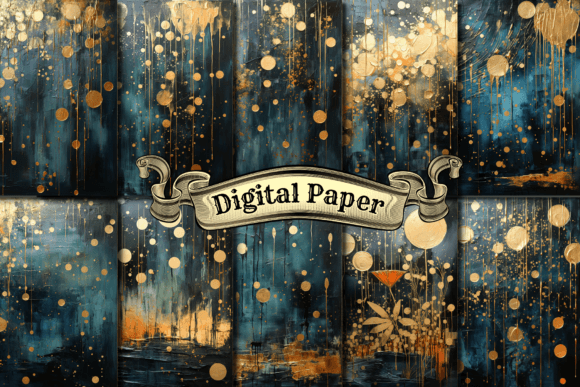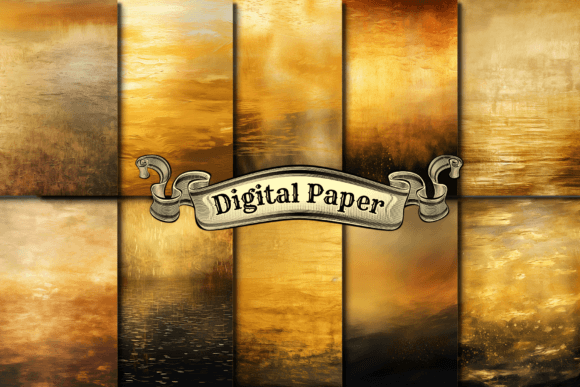
Rustic Gold Digital Papers: A Guide for Every Creator
The intersection of organic texture and metallic elegance defines the unique appeal of Rustic Gold Digital Papers. These digital assets are high-resolution image files designed to replicate the tactile warmth of weathered wood, aged parchment, or rough linen, accented with shimmering gold foil effects. Unlike physical scrapbooking supplies, these papers exist as versatile digital backdrops that can be layered, blended, and manipulated without degradation. They serve as a bridge between traditional craftsmanship and modern design efficiency, offering the aesthetic depth of handmade art with the convenience of instant digital application.
While the visual style remains consistent, the value proposition shifts dramatically depending on who is using the file. A hobbyist preserving family memories prioritizes emotional resonance and ease of use, while a commercial packaging designer focuses on print resolution and licensing flexibility. Understanding these distinct needs helps clarify whether this specific aesthetic aligns with your current project goals.
Elevating Personal Projects and Memory Keeping
For digital scrapbookers, journal enthusiasts, and hobbyists, Rustic Gold Digital Papers offer an immediate way to add sophistication to personal narratives. The primary priority for this group is often emotional impact rather than technical perfection. The rustic element suggests history, nostalgia, and authenticity, making it ideal for genealogy projects, wedding albums, or anniversary gifts. The gold accents provide a celebratory touch without feeling overly modern or sterile.
Beginners in this space often worry about complex editing software. Fortunately, many rustic gold collections are designed with user-friendliness in mind. They frequently come in standard sizes like 12x12 inches or A4, compatible with platforms ranging from professional Adobe suites to accessible tools like Canva or Procreate. For a parent creating a baby book, the texture provides a rich background that makes simple photos pop without requiring advanced masking skills. The goal here is speed and sentiment; the digital paper does the heavy lifting of setting the mood so the creator can focus on storytelling.
Practical Applications for Hobbyists
- Digital Card Making: Using a textured gold background for holiday or thank-you cards adds a premium feel that standard solid colors lack.
- Photo Overlays: Reducing the opacity of a rustic gold paper over a photograph can create a vintage, warm-toned filter effect instantly.
- Journaling Spreads: Printing these papers at home allows physical journalers to enjoy digital aesthetics without buying expensive physical supplies.
Strategic Branding for Entrepreneurs and Marketers
When small business owners, marketers, and freelancers evaluate Rustic Gold Digital Papers, the criteria shift from sentiment to brand alignment and conversion. In the wellness, beauty, artisanal food, and luxury craft sectors, this aesthetic communicates specific values: natural ingredients, handcrafted quality, and understated luxury. A skincare brand launching an organic serum line might use these textures in social media templates to visually reinforce the product's premium yet earthy positioning.
For this audience, flexibility is paramount. Professionals need to know if the gold elements are on separate layers or flattened into the background. Separated elements allow designers to change the gold color to match specific brand hex codes or to remove the shine entirely for a more matte, minimalist look. Additionally, marketers must consider file versatility. A paper used for an Instagram post may also need to serve as a website hero banner or an email newsletter header. High-resolution files (typically 300 DPI) ensure the texture remains crisp across all mediums, preventing the pixelation that can undermine a professional brand image.
Commercial Considerations and Licensing
Business users must navigate licensing with care. While a hobbyist buys a paper for personal enjoyment, an entrepreneur is purchasing a commercial asset. It is vital to distinguish between personal use licenses and commercial licenses that permit the creation of end products for sale. Some creators restrict the use of their digital papers in print-on-demand services or require attribution. Evaluating Rustic Gold Digital Papers from a business perspective means reading the fine print to ensure long-term legal safety and ROI. The cost of a commercial license is often negligible compared to hiring a photographer for a custom textured backdrop shoot, making it a cost-effective solution for bootstrapped businesses.
Educational and Presentation Value
Educators, speakers, and content creators occupy a middle ground where readability and engagement take precedence over pure decoration. In educational materials or slide decks, busy textures can sometimes hinder comprehension. However, Rustic Gold Digital Papers, when selected carefully, can enhance learning by providing visual interest without overwhelming text.
The key for this demographic is contrast management. A dark rustic wood background with subtle gold veining works beautifully behind white text for a dramatic title slide. Conversely, a light parchment style with faint gold leaf serves as an excellent certificate template or worksheet border. Educators appreciate these papers because they break the monotony of stark white slides, helping to maintain student attention during long presentations. For online course creators, consistent use of a specific textured background can become part of the course’s visual identity, signaling transitions between modules or highlighting key takeaways.
Evaluating Quality and Technical Fit
Regardless of your role, assessing the quality of Rustic Gold Digital Papers requires looking beyond the thumbnail preview. Several technical factors determine whether a file will actually work for your intended purpose.
- Resolution and Dimensions: Ensure the file meets your output requirements. Screen-only projects may suffice with 72-150 DPI, but any print application demands 300 DPI at actual size. If you plan to crop or zoom, larger dimensions (such as 3600x3600 pixels or higher) provide necessary headroom.
- Texture Authenticity: Zoom in to 100% to inspect the grain. Low-quality papers often exhibit repetitive tiling patterns or artificial sharpening artifacts. Genuine rustic textures should show irregular fibers, scratches, and natural variations in the gold application.
- Color Profile: Check whether the file is RGB (for screens) or CMYK (for print). Gold effects are particularly sensitive to color space conversion; a vibrant metallic gold in RGB may print as a muddy brown in CMYK if not properly managed. Professional-grade papers often include both versions or specify the intended output method.
- File Format Options: JPEGs are universal but flattened. PNGs support transparency, which is invaluable for overlaying textures. PSD or TIFF files preserve layers, offering maximum editability for professionals who need to adjust lighting, blend modes, or individual gold elements.
Finding Your Perfect Match
Ultimately, Rustic Gold Digital Papers are a tool, not a universal solution. They excel when the project calls for warmth, heritage, or organic luxury. If your goal is sleek futurism, corporate minimalism, or high-contrast neon vibrancy, this aesthetic may clash with your message. However, for those seeking to infuse digital work with tangible character, these papers offer remarkable versatility.
Take time to audit your specific needs before acquiring new assets. A beginner might start with a budget-friendly bundle to experiment with layering techniques. A professional designer might invest in a premium, layered collection to streamline client workflows. An educator might seek out muted, low-contrast options specifically formatted for slide decks. By aligning the technical specifications and stylistic nuances of the paper with your actual workflow and objectives, you transform a simple background image into a strategic component of your creative process. The right texture doesn't just fill space; it reinforces meaning, guides emotion, and elevates the final result beyond the sum of its pixels.